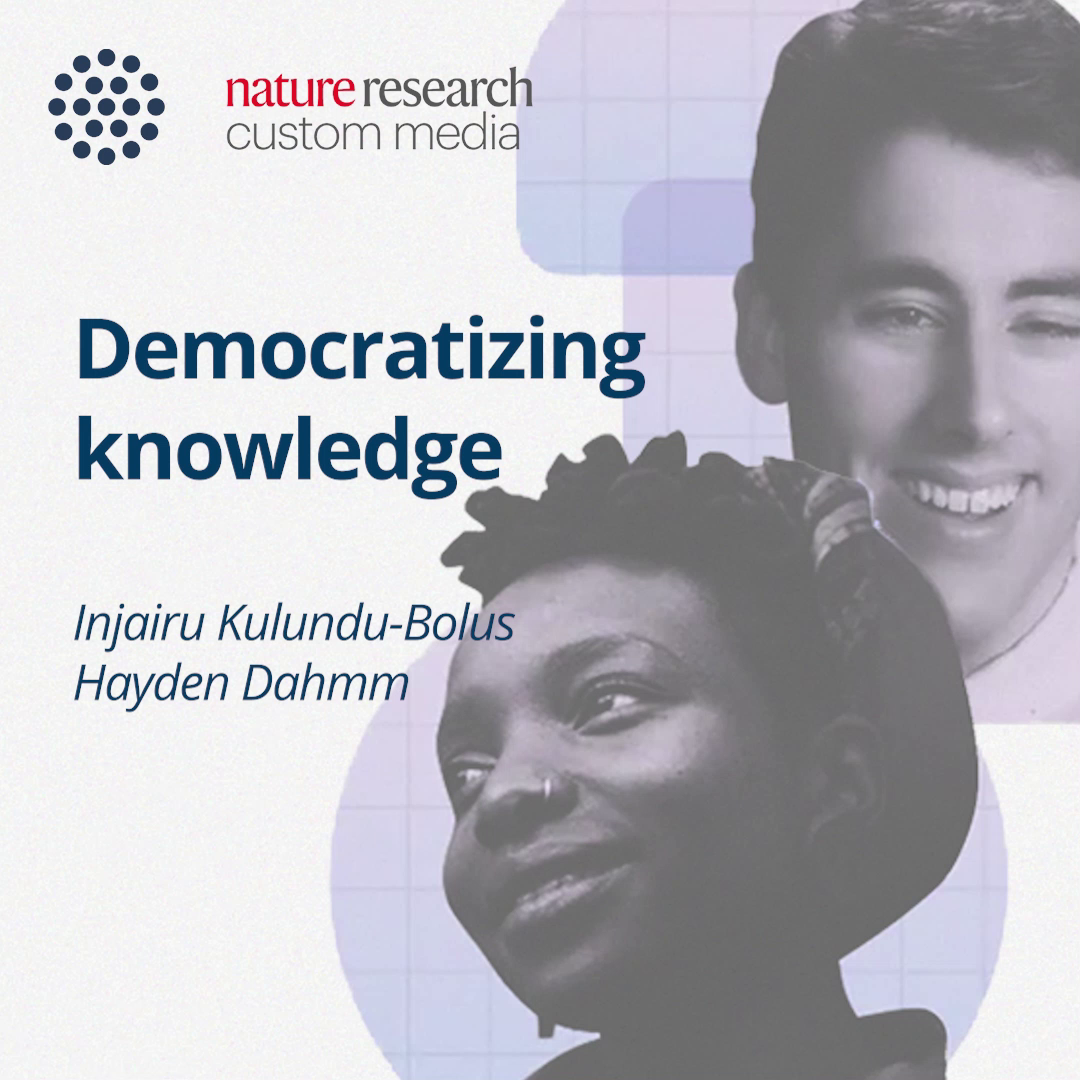
TReNDS’ Manager, Hayden Dahmm, was recently featured on “Working Scientist,” a podcast series co-hosted by Nature and the International Science Council on the topic of diversity in science. In the episode, Hayden discusses the importance of gridded population data, having accurate and timely data on persons with disabilities, and shares his perspective on how to make sustainable development practices more inclusive.
Read MoreCOVID-19 is rapidly shifting perceptions, priorities, and needs as they relate to digital and data policy, and this has accelerated the urgency of discussions around data governance. In this blog post, Tom Orrell, TReNDS’ expert member discusses four recommendations that came out of a recent UN World Data Forum virtual session on this issue.
Read MoreTimely, high-quality data is critical to reaching the United Nations Sustainable Development Goals — but harnessing it requires new ways of thinking, collaboration, and investment in national statistics systems. Learn more about what’s needed to catalyze data for real-world impact in this Nature article, featuring insights from TReNDS’ experts and partners.
Read MoreSDSN TReNDS has partnered with Project Everyone and the Global Partnership for Sustainable Development Data to curate high-impact, reliable, and high-frequency (at least annual) datasets on the SDGs as part of a public advocacy campaign to bring to life the data behind the Global Goals. This will help ensure that there is greater awareness of where we are progressing and what needs improvement, as well as drive greater action and accountability on the SDGs. The first part of the campaign was launched today on the 5th anniversary of the SDGs during Global Goals Week, to celebrate the theme of ‘Factivism’ – campaigning to change the world by using facts backed up by timely and accurate data to drive action. Via this campaign, we worked to curate ten timely data “facts” on the SDGs to help raise awareness and galvanize action towards the Goals.
Read MoreThe rapid global spread of COVID-19 has demanded that governments respond at breakneck speed to limit the human and economic costs of the crisis. And the scale of government response is unprecedented – a staggering 11 trillion USD in fiscal support provided by 55 countries in a matter of months – as is the demand for timely data to ensure that resources are targeted where they are most needed. Having accurate and timely data has become the foundation of a resilient and effective government, and national statistical systems are central to this. These systems have been placed under extreme pressure during the crisis. Temporary office closures and disruptions to operations and surveys have jeopardised dozens of statistical publications. Increased demand for new and more timely data on the impacts of the pandemic have stretched available resources. And pragmatic decisions have had to be made to reprioritise and redeploy staff and resources as well as to innovate to deliver new statistical products.
Read MoreData plays a critical role in how we understand the Covid-19 epidemic and determining how policies are shaped. Everything from the allocation of personal protective equipment and drug treatments to reopening plans is guided in part by available data, and because these decisions can often make the difference between life and death, the data must be reliable and transparent. However, in recent months, several cases have demonstrated the dangers of politicizing data as well as the dearth of systems in place in both high and low-income countries to maintain data accountability and transparency.
Read MoreGuest author, Grant Cameron, highlights emerging lessons from national statistical offices during the Covid-19 pandemic and shares key focus areas to further support NSOs’ resilience and modernization. These include: the development of a business continuity framework; the documentation of successful processes and pathways for real-time NSO engagement with policymakers; and the development of strategies that reinforce modernization post-Covid-19.
Read MoreAs the world continues to face the immense challenges posed by Covid-19, nontraditional data sources, including gridded population data, play an important role in tracking the virus’ spread and ensuring that no one is left behind. Gridded population maps distribute data using grid cells, combining census results with additional information, such as geospatial data from satellites, to provide more accurate and timely population estimates. However, as our recent report on gridded population data and joint webinar with the International Science Council revealed, while they offer great promise, many policymakers and researchers are still largely unaware of gridded population data, particularly their nuances and potential applications for sustainable development and Covid-19.
Read MoreIn advance of SDSN TReNDS’ webinar on gridded population data with the International Science Council, TReNDS’ Analyst, Hayden Dahmm, spoke with Lizzie Saylor of the International Science Council for a Q & A on how gridded population data can be used to respond to emergencies and move towards achieving the Sustainable Development Goals.
Read MoreAccess to timely and reliable data on population is critical to delivering global development programs and humanitarian assistance. It helps governments, donors, and implementing partners understand what services people have access to and the challenges they face both geographically and socially. Gridded population datasets — spatial databases on global populations that can be analyzed within mapping software — enable this to be achieved. But awareness of them is low.
Read MoreTimes of crisis require difficult trade-offs between competing public interests. In the present instance with Covid-2019 raging around the world, trade-offs between fundamental human rights — the right to freedom of assembly, to liberty, and in some instances to due process — have to be balanced against the urgent collective need of society and countries around the world to flatten the curve of the virus’s spread.
Read MoreTReNDS hosted an expert discussion on data for development on the sidelines of the 51st session of the UN Statistical Commission. The breakfast event took place on 3 March 2020, and featured remarks by several experts from the TReNDS network. The discussion highlighted as a key issue the lack of data currently available on SDG indicators, saying significant gaps exist in data timeliness, represented geographies, and other factors.
Read MoreInsights from a roundtable discussion hosted by SDSN TReNDS, identify how governments need to change to support the creation and maintenance of the data required to achieve the SDGs. The role of traditional versus new data collection methods, policy and regulatory needs for data governance, and what a national data ecosystem should look like were among the topics debated. The learnings from the roundtable, along with the report “Counting on the World to Act,” will provide analysis and evidence-based solutions for government actors to take the much-needed steps toward achieving the data revolution.
Read MoreWe are on the cusp of another wave of disruptive technological innovation as 5G specifications, greater computing power, shrewd algorithms and very cheap internet-connected chips start to congregate around clever business ideas. If some estimates are to be believed, there’ll be a trillion devices connected to the internet by 2025. The sheer scale of connectivity will mean that our digital footprints will become significantly larger than they currently are, further blurring the lines between reality and cyberspace. If the snapshots of people’s lives in 2030 above were to materialise, what are the opportunities and risks inherent to those two realities? And, crucially for those of us who work in the data revolution for sustainable development, what are the things we need to start thinking about now to mitigate future risks?
Read MoreThis Fall, TReNDS members co-hosted a public workshop with the City of Los Angeles that included insights into how the City is localizing the Sustainable Development Goals (SDGs). This included a discussion on its unique four-phased approach for success at the sub-national level, which is described in detail throughout this blog post.
Read MoreThe December 2019 edition of the Disaster Risk Reduction & Open Data Newsletter includes news on the recent Data For Now inception workshop in Rwanda, NASA space data, the importance of satellite data for emergency responders, and more.
Read MoreFollowing the Data For Now Inception Workshop in Kigali, Rwanda’s local newspaper, the New Times, spoke with TReNDS and partners on the aims of the Data For Now initiative and the importance of timely, accessible, and quality data for sustainable development.
Read MoreLack of attention to data management practices around SDG 7 is slowing progress in ensuring access to affordable, reliable, sustainable and modern energy for all. In this guest post, researchers from University of California, Berkeley share insights on how data sharing can support energy access.
Read MoreThe August 2019 edition of the Disaster Risk Reduction & Open Data Newsletter includes news on a new working group to develop new hazard definitions and classifications, the value of administrative data, and more.
Read MoreThe July 2019 edition of the Disaster Risk Reduction & Open Data Newsletter includes news on guidelines for assessing the human impact of disasters, the Sendai Framework Voluntary Commitments and Analysis Report 2019, and more.
Read More