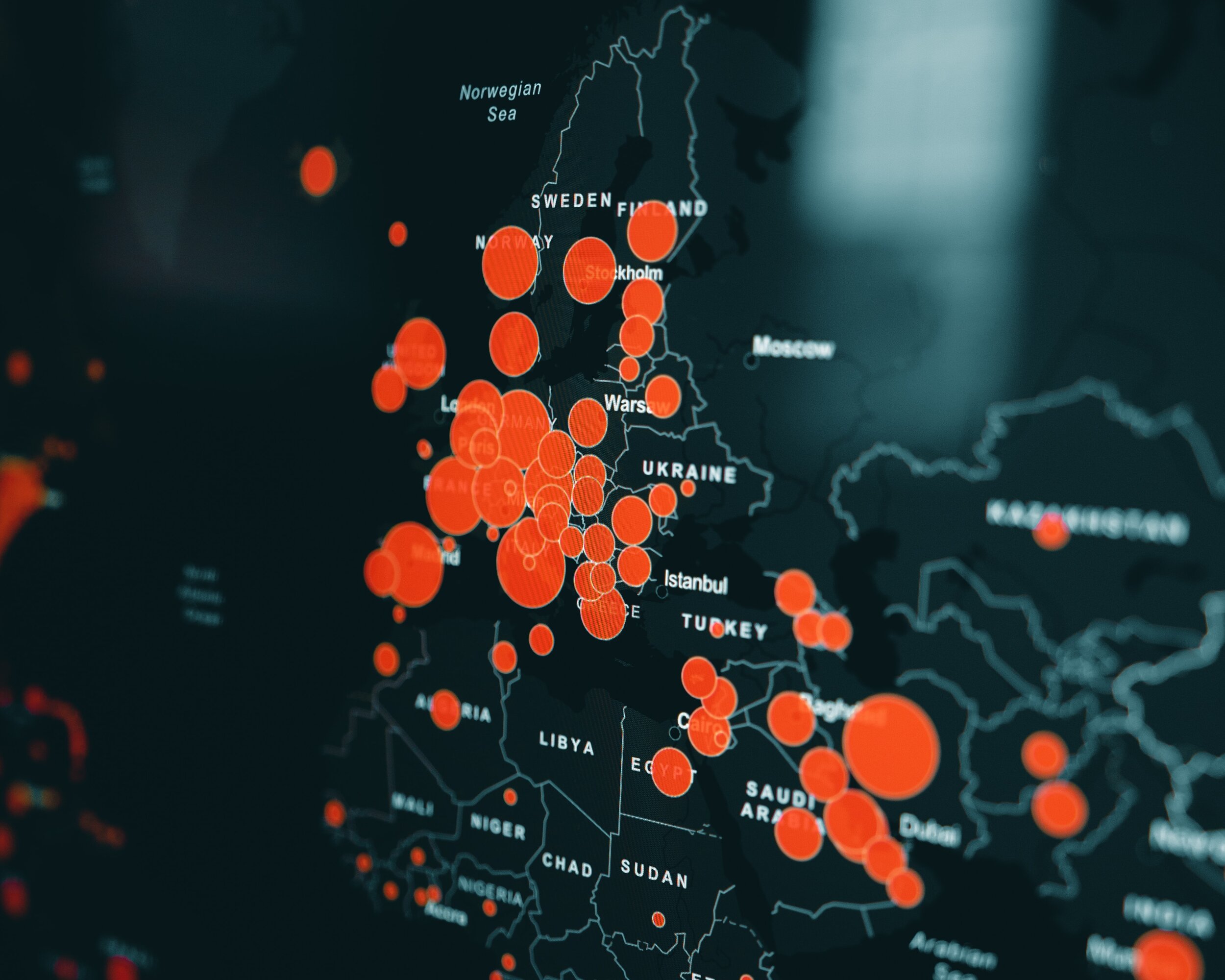
Despite the recent news of successful COVID-19 vaccine trials, the end of the pandemic still seems a long way off. The data community, however, should be thinking ahead to the end of this crisis, when unique data demands will no longer apply. In this Op-ed, Hayden Dahmm explores how sunset clauses and provisions can be used to ensure that surveillance measures are wound down responsibly at the end of the pandemic.
Read MoreCOVID-19 is rapidly shifting perceptions, priorities, and needs as they relate to digital and data policy, and this has accelerated the urgency of discussions around data governance. In this blog post, Tom Orrell, TReNDS’ expert member discusses four recommendations that came out of a recent UN World Data Forum virtual session on this issue.
Read MoreLast week, more than 7,000 data experts from around the world gathered virtually for the third annual World Data Forum. Increasing investment in statistics, effective communications around data, the importance of disaggregation, emerging data sources, and careful data governance were among the key issues discussed.
Read MoreStatistics are fundamental to our daily lives – from predicting the daily weather forecast and stock market trends to determining insurance premiums. This World Statistics Day, the TReNDS’ Secretariat have highlighted a few recent statistics that we’ve come across that we think are particularly shocking. Thereafter, we put forward some of our individual recommendations on how the global statistical system can be improved.
Read MoreData plays a critical role in how we understand the Covid-19 epidemic and determining how policies are shaped. Everything from the allocation of personal protective equipment and drug treatments to reopening plans is guided in part by available data, and because these decisions can often make the difference between life and death, the data must be reliable and transparent. However, in recent months, several cases have demonstrated the dangers of politicizing data as well as the dearth of systems in place in both high and low-income countries to maintain data accountability and transparency.
Read MoreTimes of crisis require difficult trade-offs between competing public interests. In the present instance with Covid-2019 raging around the world, trade-offs between fundamental human rights — the right to freedom of assembly, to liberty, and in some instances to due process — have to be balanced against the urgent collective need of society and countries around the world to flatten the curve of the virus’s spread.
Read MoreFollowing the Data For Now Inception Workshop in Kigali, Rwanda’s local newspaper, the New Times, spoke with TReNDS and partners on the aims of the Data For Now initiative and the importance of timely, accessible, and quality data for sustainable development.
Read MoreJonathan Glennie asks, Can we counter the data counter-revolution? From surveillance to data governance, he examines the delicate balance struck between data and power.
Read More